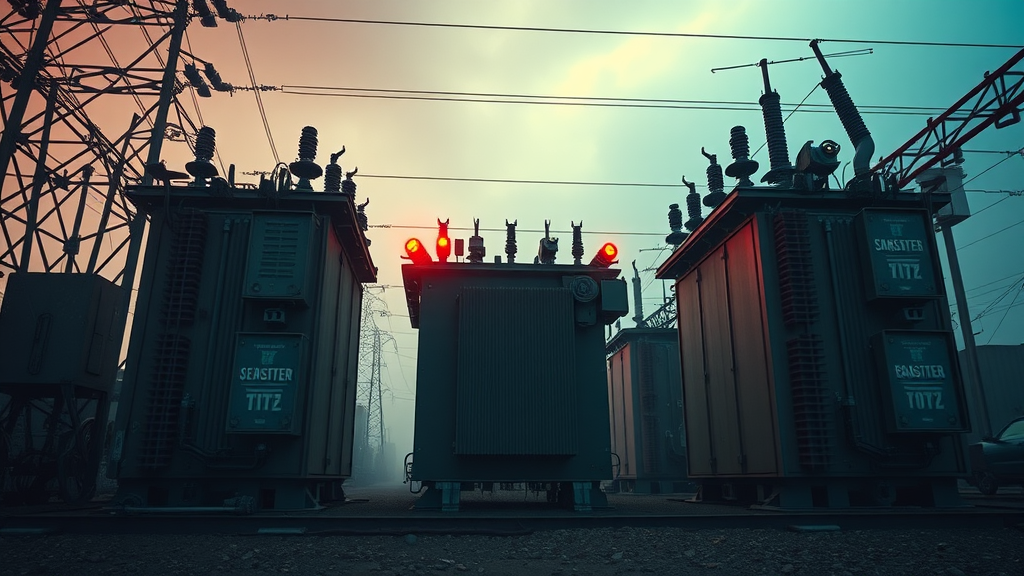
Understanding Transformers: The Mechanism Behind Power Transfer
Transformers play a crucial role in transferring electrical power from one circuit to another, allowing for efficient energy distribution across vast distances. Understanding how transformers operate can help you appreciate the technology that powers your home and community.
At their core, transformers consist of three primary components: a primary coil, a secondary coil, and a core. The primary coil receives input voltage, while the secondary coil delivers output voltage. The core, usually made of iron, is essential for channeling magnetic fields between the two coils.
When electricity flows through the primary coil, it creates a magnetic field around it. This magnetic field is essential for the transfer of energy between the two coils. As the magnetic field fluctuates, it induces an electric current in the secondary coil. This process of transferring energy from one coil to another is known as electromagnetic induction.
One common misconception is that transformers actually increase or decrease power. However, what happens is that they change the voltage while keeping the overall power constant (assuming no losses). This is best explained through the transformer equation, which states:
Vp/Vs = Np/Ns
Where:
- Vp is the primary voltage
- Vs is the secondary voltage
- Np is the number of turns in the primary coil
- Ns is the number of turns in the secondary coil
If the secondary coil has more turns than the primary coil (Ns > Np), the transformer steps up the voltage. Conversely, if the primary coil has more turns than the secondary coil (Np > Ns), the transformer steps down the voltage.
Now, you might wonder why changing voltage levels is important. High-voltage transmission is crucial for minimizing energy loss over long distances. Electricity travels more efficiently at higher voltages, reducing the amount of energy lost as heat in the wires. This means transformers are integral to the power grid, allowing large power stations to send electricity thousands of miles without significant losses.
Furthermore, transformers come in different types, tailored for various needs:
- Step-Up Transformers: Increase voltage from primary to secondary.
- Step-Down Transformers: Decrease voltage from primary to secondary.
- Isolation Transformers: Provide safety by separating circuits while maintaining voltage levels.
Additionally, the design and construction of a transformer can impact its efficiency. Factors such as core material, winding techniques, and insulation quality all play a role. For example, a transformer made with high-quality silicon steel will have lower core losses. Proper design can dramatically improve efficiency, often exceeding 98%. This helps ensure minimal energy waste.
It’s essential to also consider transformer applications beyond the power grid. You come across transformers in everyday life, too. For instance:
- Charger adapters that step down mains voltage for safe use with electronics.
- Audio equipment that ensures proper signal transfer and amplification.
- Industrial machinery requiring specific voltage levels for operation.
When using transformers, safety is paramount. Handling high-voltage equipment without proper knowledge can be dangerous. Always ensure that transformers are installed correctly and maintained regularly to avoid hazards like overheating or electrical fires.
Transformers are fascinating devices that enable efficient power transfer by utilizing electromagnetic induction. Their ability to alter voltage levels allows electricity to travel long distances while minimizing energy loss. Understanding the workings of transformers can help you appreciate their impact on everyday life and the broader electrical infrastructure that powers our modern world.
The Role of Voltage and Current in Transformer Functionality
Transformers are essential devices in the world of electrical engineering. They play a significant role in transferring power from one circuit to another, primarily by utilizing two fundamental concepts: voltage and current. Understanding how these elements interact within a transformer can help you grasp their functionality and importance. Let’s explore these concepts further.
The Basics of Transformers
At its core, a transformer consists of two coils of wire, known as windings, wrapped around a magnetic core. When electricity flows through one winding, it creates a magnetic field that induces a voltage in the second winding. This process allows a transformer to adjust voltage levels—either stepping them up or down—making it a vital component in power distribution systems.
Voltage in Transformers
Voltage is a critical factor in transformer functionality. The relationship between the primary and secondary voltage is defined by the turns ratio of the transformer’s windings. The turns ratio is the ratio of the number of coils in each winding:
- Step-Up Transformers: If the secondary winding has more turns than the primary winding, the transformer increases voltage. This is known as a step-up transformer. For example, if the primary winding has 100 turns and the secondary has 400 turns, the voltage increases fourfold.
- Step-Down Transformers: Conversely, if the secondary winding has fewer turns than the primary winding, the transformer decreases voltage. This is known as a step-down transformer. If the primary winding has 400 turns and the secondary has 100, the voltage decreases to a quarter of its original value.
This relationship is vital in many applications, such as powering homes, where high transmission voltages can reduce energy loss over long distances. Once the electricity reaches its destination, a step-down transformer makes it safe and usable for household appliances.
Current and Its Role
While voltage is crucial, current plays an equally important role in transformers. Current refers to the flow of electric charge in a circuit. When a transformer alters voltage, it also affects the current that flows through the windings. This relationship is governed by the principle of conservation of energy, which states that power input must equal power output (minus losses) in an ideal transformer.
- Power (P) is calculated as the product of voltage (V) and current (I): P = V x I.
- If a transformer steps up voltage, the current in the secondary winding decreases, keeping power constant (assuming no losses).
- Conversely, if voltage is stepped down, the secondary current increases.
Thus, current and voltage are inversely proportional in transformers. This is crucial for designing systems that need specific voltage and current levels for efficient operation.
The Role of Efficiency in Transformers
The efficiency of a transformer is directly tied to how well it can manage voltage and current. An efficiently designed transformer minimizes energy losses through heat, enabling effective power transfer. Factors influencing transformer efficiency include:
- Core Material: High-quality magnetic materials reduce energy loss.
- Winding Configurations: Proper winding design can minimize resistance and improve flow.
- Cooling Systems: Transformers generate heat during operation, and efficient cooling helps maintain performance.
Efficient transformers are essential in modern power systems, where they play a vital role in maintaining voltage stability and reducing wastage.
Real-World Applications
Understanding the interrelationship between voltage and current in transformers helps in various real-world applications. Some areas where these concepts are crucial include:
- Power Distribution: Transformers adjust voltages from power plants to make electricity safe for homes.
- Industrial Machinery: High-powered equipment often uses transformers to ensure they receive the correct voltage and current.
- Renewable Energy Systems: Solar and wind energy systems utilize transformers to connect generated power to the grid efficiently.
By grasping the roles of voltage and current within transformers, one appreciates how these devices not only make electricity usable but also enhance the efficiency of electrical systems across the globe.
Types of Transformers and Their Applications in Everyday Life
Transformers play a crucial role in our daily lives, quietly helping to transfer electrical power from one circuit to another. Understanding the types of transformers and their applications can enhance your appreciation for this vital technology.
One of the most common types of transformers is the **step-up transformer**. This device increases the voltage from the primary coil to the secondary coil, making it ideal for long-distance power transmission. High voltage is necessary to reduce energy loss through the power lines, which is why step-up transformers are prevalent in power stations. By understanding how they function, you can see why these transformers are the backbone of our electrical grid.
Conversely, there are **step-down transformers** that decrease voltage. These transformers are widely used in household devices. For instance, when electricity arrives at your home, it comes in at a high voltage. Step-down transformers then reduce this voltage to safer levels, suitable for powering appliances. By stepping down the voltage, these transformers ensure that everyday devices like microwaves and televisions operate safely.
Another type worth noting is the **isolating transformer**. This transformer serves to separate two electrical circuits, providing safety against electric shocks. Isolating transformers are often used in sensitive equipment like medical devices and laboratory equipment. They ensure that any malfunction in one circuit doesn’t impact the other, making them essential for maintaining safety and reliability in environments where precision is critical.
>Some transformers, known as **automatic voltage regulators (AVRs)**, adjust voltage levels automatically to maintain a stable output. AVRs are frequently used in areas where voltage fluctuations are common. By stabilizing power, they protect sensitive electronic devices from damage caused by over-voltage or under-voltage conditions. This makes them invaluable in both residential and commercial settings.
Transformers are also essential in the communication sector. **Audio transformers**, for example, are used in microphones and amplifiers. They help in transferring signals while minimizing signal distortion. This function is vital for musicians and audio engineers who rely on high-quality sound reproduction. Additionally, **RF transformers** play a critical role in radio frequency applications, including broadcasting and telecommunications, helping to efficiently transfer signals without significant loss.
Another fascinating application of transformers is in **toroidal transformers**. These transformers have a doughnut shape and are often used in lower-power applications, such as in laptops and small electronic devices. Because of their design, toroidal transformers are more efficient and produce less electromagnetic interference than traditional transformers. This efficiency makes them a popular choice among manufacturers aiming for compact and high-performing devices.
One cannot overlook the technological advancements with **smart transformers**. These modern transformers come equipped with sensors and digital monitoring features, allowing real-time data collection and management. Smart transformers improve the efficiency of power distribution systems, helping cities and industries manage their energy consumption more effectively. This technology represents the future of how power is managed, aiming to create smarter grids that enhance efficiency.
The use of transformers extends into **renewable energy systems** as well. For instance, in solar power systems, transformers are needed to convert direct current (DC) from solar panels to alternating current (AC) suitable for home use. This conversion is crucial for integrating renewable energy into our existing power grids, illustrating how transformers support sustainable practices.
In the world of electric vehicles (EVs), transformers are vital for charging stations. They ensure that the electricity supplied meets the specific requirements for different EV models, thus contributing to the growing electric vehicle infrastructure. As more people turn to electric vehicles, understanding the role of transformers in this context becomes increasingly important.
Various types of transformers serve distinct and vital functions in everyday life. From keeping our homes powered safely to enabling modern communication and renewable energy systems, the applications of transformers are diverse and indispensable. Knowing how these devices operate not only enhances your understanding of power transfer but also highlights the technology that supports our modern conveniences.
How Efficiency and Energy Loss Impact Transformer Performance
Transformers are key players in the world of electrical energy transfer, allowing power to be efficiently distributed over long distances. However, their performance is largely determined by two critical factors: efficiency and energy loss. Understanding how these elements interact can help you appreciate the role of transformers in your daily life.
Efficiency in transformers is a measure of how well they convert input power into output power. A highly efficient transformer minimizes energy waste, which is crucial for both cost-effective power distribution and environmental sustainability. An efficient transformer achieves this by reducing various forms of energy loss during the transfer process.
Types of Energy Loss in Transformers
When considering how transformers function, it’s essential to identify the main types of energy loss that occur:
- Copper Loss: This type of loss happens due to the resistance in the winding conductors. When electrical current moves through these windings, heat is generated, resulting in energy loss.
- Core Loss: Core loss is associated with the magnetic circuit of the transformer. It comprises two components: hysteresis loss and eddy current loss. Hysteresis loss occurs due to the continual magnetization and demagnetization of the core material, while eddy currents are loop currents induced in the core that also cause energy loss as heat.
- Stray Loss: Stray loss refers to the magnetic leakage that occurs when the magnetic field doesn’t perfectly link with the transformer windings. This can lead to losses in nearby conductive materials, affecting overall efficiency.
To maintain optimal performance, transformer manufacturers aim to design devices that minimize these losses. For instance, using high-quality core materials reduces core loss, while improving winding design can help mitigate copper loss.
The Impact of Efficiency on Performance
High efficiency directly translates into better transformer performance. When a transformer operates efficiently, it ensures that more of the energy input is available for use. This results in lower operational costs and a reduced environmental footprint. You want your transformers to work flawlessly to meet demand, especially in settings like power plants and industrial facilities, where any loss in efficiency can lead to significant financial implications.
An efficient transformer also generates less heat, prolonging the lifespan of the equipment. Excessive heat can lead to premature failure of components, resulting in costly repairs or replacements and potential downtime. By keeping energy loss to a minimum, you can enjoy reliable operations for years to come.
Energy Loss Mitigation Strategies
Let’s explore some effective strategies to mitigate energy losses in transformers:
- Material Selection: Opt for high-quality, low-loss materials for core and winding production. Materials like silicon steel for the core significantly reduce hysteresis losses.
- Transformer Design: Use designs that maximize magnetic coupling such as toroidal or amorphous core transformers, which are known for their efficiency.
- Regular Maintenance: Implementing a regular maintenance schedule can catch potential issues early, ensuring that the transformers continue to operate efficiently.
By embracing these strategies, you ensure transformers operate at peak efficiency, helping to lower energy bills and decrease environmental impact.
Real-World Applications and Their Implications
In residential and commercial settings, efficiency matters greatly. When transformers function effectively, electricity costs stabilize and consumer energy use becomes more predictable. For example, in large buildings, energy-efficient transformers can make a notable difference in overall energy consumption, leading to lower utility bills.
Moreover, the shift towards renewable energy sources makes transformer efficiency even more significant. As wind and solar energy become more prevalent, the need for efficient energy transfer systems like transformers becomes paramount. Their ability to maintain performance while incorporating fluctuating input power from these sustainable sources is critical.
Efficiency and energy loss are vital aspects of transformer performance. By understanding these elements, you can better appreciate the technology behind electrical power distribution and its importance in our everyday lives. Reducing energy loss not only saves money but contributes to a more sustainable energy future.
Future Innovations in Transformer Technology and Energy Transmission
The way we transfer energy has a powerful impact on our daily lives and the environment. As technology advances, innovations in transformer technology aim to make energy transmission more efficient, reliable, and sustainable. By exploring emerging trends and transformative ideas in this field, we can understand how these advancements may shape the future of power distribution.
Smart Transformers
One of the most exciting innovations is the development of smart transformers. These devices integrate advanced communication technologies, allowing them to monitor and analyze electrical systems in real-time. Here’s how they enhance energy transmission:
- Predictive Maintenance: Smart transformers can detect potential failures before they happen. This capability helps reduce downtime and maintenance costs.
- Grid Optimization: By analyzing data, smart transformers optimize energy flow and improve overall grid stability. They can balance loads more efficiently, preventing overloads.
- Integration with Renewable Energy: These transformers can easily connect to renewable energy sources like solar and wind, facilitating a cleaner energy mix.
Ultra-High Voltage Direct Current (UHVDC) Transmission
UHVDC technology represents a leap in how we transmit electricity over long distances. Unlike traditional alternating current (AC) systems, UHVDC minimizes energy loss during transmission. The benefits include:
- Less Energy Loss: UHVDC systems can transmit large amounts of electricity with minimal losses, making them ideal for long-distance transfers.
- Increased Capacity: This technology allows for the movement of more electricity through existing power lines, reducing the need for new infrastructure.
- Grid Stability: UHVDC can help stabilize the grid by quickly adjusting to fluctuations in demand.
Transformers with Enhanced Materials
Innovative materials are changing the game for transformer efficiency. New designs incorporating materials like amorphous steel and advanced polymers allow transformers to operate at higher efficiencies. How do these materials influence performance?
- Lower Losses: Amorphous steel has lower core losses compared to traditional silicon steel, which means more energy is retained during the conversion process.
- Improved Heat Dissipation: Advanced polymers can withstand higher temperatures, allowing transformers to operate more effectively under heavy loads.
Decentralized Energy Systems
The future of energy transmission may move towards decentralized systems where local energy resources play a crucial role. This shift promotes more efficiency and reduced strain on centralized grids. Key features of decentralized systems include:
- Local Generation: Communities can generate their own energy using solar panels or wind turbines, reducing dependency on centralized sources.
- Energy Storage Solutions: Combined with smart batteries, these systems can store excess energy for later use, increasing reliability.
- User Engagement: Consumers can actively participate in energy management, leading to more conscious consumption habits.
Wireless Power Transfer
The concept of wireless power transfer (WPT) is rapidly gaining traction, especially with the rise of electric vehicles (EVs). WPT allows for energy transfer without physical connections, which could revolutionize how we think about powering devices.
- Convenience: Imagine charging your phone or electric car by simply parking over a charging pad!
- Reduced Wear and Tear: Without physical connectors, devices experience less wear, which can prolong their lifespan.
Future Impact and Challenges
While the future of transformer technology and energy transmission looks promising, there are challenges ahead. Cost and regulatory hurdles can slow the adoption of innovations. Moreover, there is a need for more infrastructure capable of integrating these advancements into existing systems.
Nonetheless, the ongoing research and investment in this field present a hopeful outlook for energy transmission. It lays the groundwork for a cleaner, more efficient, and more reliable energy future. As we embrace these innovations, we are one step closer to a more sustainable world, powered by the latest breakthroughs in transformer technology.
Conclusion
Power transfer through transformers is a remarkable feat of engineering that plays a crucial role in our modern electrical systems. By understanding how transformers work, you can appreciate the intricate mechanism that makes it possible to transport electricity over long distances while maintaining efficiency. The relationship between voltage and current is essential for transformer functionality, as it enables high voltage transmission with reduced losses, ensuring that energy reaches your homes and businesses effectively.
Exploring the various types of transformers reveals their versatile applications—from stepping voltage up for transmission lines to stepping it down for safe domestic use. Knowing that these devices exist in everyday life can help you understand the infrastructure powering your appliances, vehicles, and even smartphone chargers.
However, it’s important to acknowledge that energy losses can occur during power transfer. Factors such as resistance and electromagnetic interference may hinder efficiency, leading to wasted energy. Innovations in transformer technology are actively addressing these challenges, paving the way for smarter designs that promise enhanced efficiency and reduced losses.
As we look ahead, advancements in transformer technology will likely improve energy transmission significantly. Developments in materials and design are just a glimpse of what the future may hold. With a continued focus on efficiency and sustainability, transformers will remain integral to our energy infrastructure, powering innovations and helping us move towards a greener future.